Understanding proteins, carbohydrates, and fats in human nutrition.
Macronutrients are nutrients required by the human body in substantial quantities to provide energy and support physiological functions. The three primary macronutrients are carbohydrates, proteins, and fats. Each serves distinct biochemical roles and contributes differently to satiety, metabolic processes, and bodily structure.
Understanding macronutrient composition is central to nutritional science. Rather than viewing these nutrients through a simplistic "good" or "bad" lens, contemporary nutrition science examines their specific roles, sources, and how they interact with individual physiology.
This article explores the biochemical properties, physiological functions, and dietary sources of each macronutrient category.
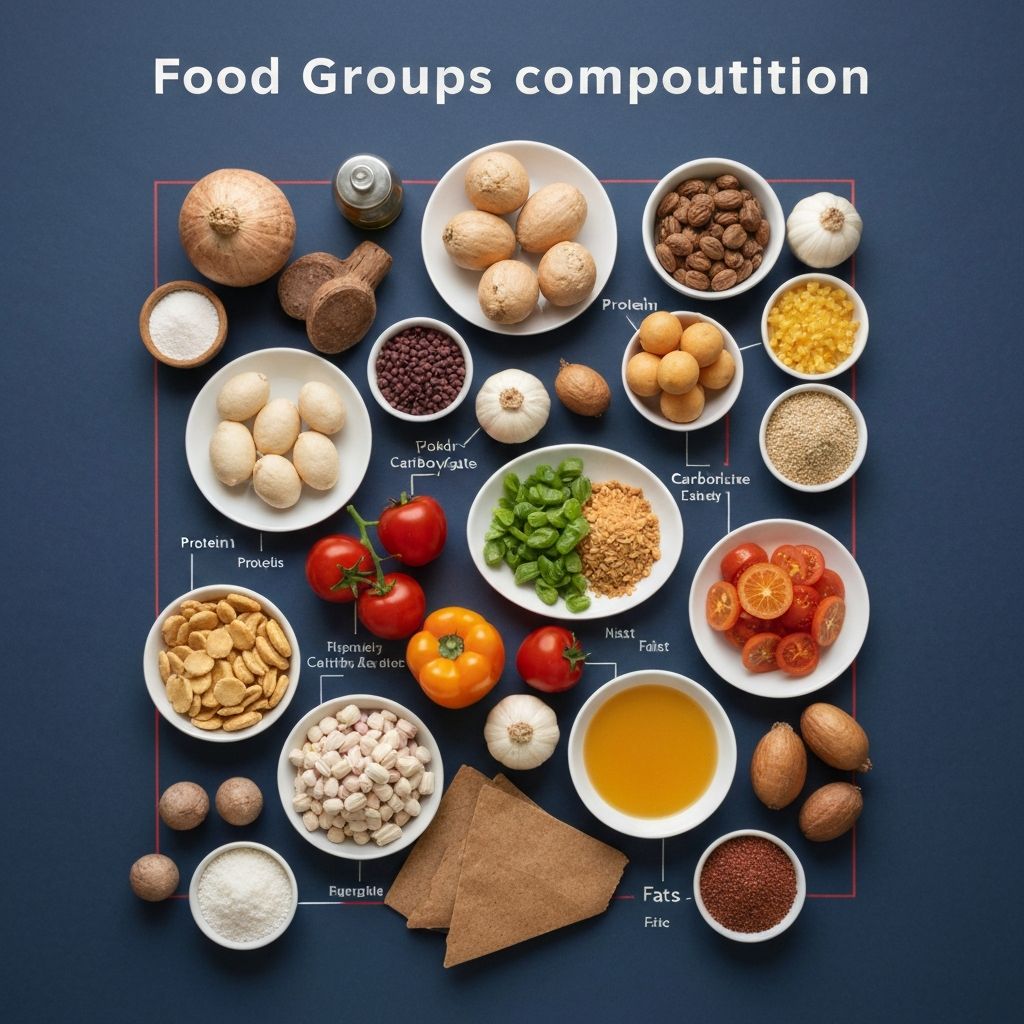
Carbohydrates are organic compounds composed of carbon, hydrogen, and oxygen. They serve as the primary energy source for the central nervous system and muscles during physical activity. Carbohydrates are classified into simple sugars, oligosaccharides, and complex polysaccharides (starches and fiber).
Complex carbohydrates from whole grains, legumes, vegetables, and fruits provide not only energy but also micronutrients and fiber. Simple carbohydrates from refined sources offer quick energy but typically lack accompanying micronutrients and fiber.
Proteins are polymers of amino acids, containing nitrogen in addition to carbon, hydrogen, and oxygen. The human body requires 20 amino acids, nine of which cannot be synthesized and must be obtained from food (essential amino acids). Protein quality is determined by amino acid composition and bioavailability.
Lipids are hydrophobic molecules composed of glycerol and fatty acids. They represent the most energy-dense macronutrient at 9 calories per gram, compared to 4 calories per gram for carbohydrates and proteins. Dietary fats include saturated fats, monounsaturated fats, polyunsaturated fats, and trans fats.
Saturated fats are primarily found in animal products and some plant sources. Unsaturated fats, including omega-3 and omega-6 polyunsaturated fatty acids, have distinct physiological effects. Current scientific consensus recognizes the importance of fat composition rather than total fat quantity in determining health outcomes.
The optimal ratio of macronutrients varies considerably among individuals based on genetics, activity level, metabolic health, and personal preferences. Rather than prescribing a single "correct" ratio, contemporary nutrition science emphasizes flexible approaches that meet individual protein and micronutrient requirements while allowing variation in carbohydrate and fat composition.
Understanding macronutrient composition enables informed decision-making about food selection and meal planning. The quality of protein, carbohydrate, and fat sources—measured by nutrient density and bioavailability—matters as much as total quantity.